


What Makes a Lithium Battery Good?
A quality golf cart battery starts with new A+ grade cells, not recycled cells pulled from damaged EV packs. Cell matching, thermal stability, and a properly configured battery management system determine how long the pack will hold capacity in real use.
For owners in Punta Cana, Cap Cana, and Casa de Campo, battery consistency matters as much as headline amp-hours. Resort carts face heat, humidity, and frequent charging cycles. A pack that is only cheap on day one becomes expensive when range drops after a single season.
The Hidden Risks of Cheap Battery Packs
Low-cost packs often save money by using inconsistent cells, weak spot welding, or a generic BMS with poor balancing behavior. The result can be overheating, voltage sag under load, sudden shutdown, or fast capacity loss.
In the Dominican Republic, sustained heat amplifies those risks. A weak battery pack stored in direct sun and charged daily in coastal humidity will degrade much faster than a properly engineered LiFePO4 pack.
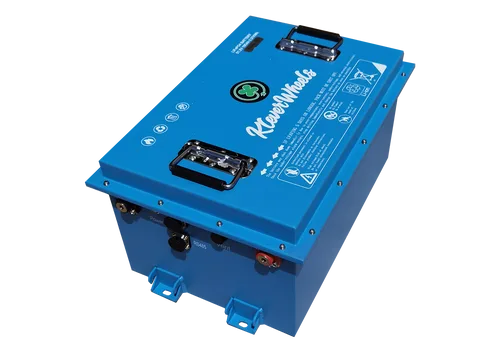
Why KleverWheels Uses Only A+ Grade LiFePO4
KleverWheels uses LiFePO4 chemistry because it is stable, safe, and durable for golf cart duty. We specify packs with stronger BMS protection, predictable cycle life, and consistent support through local service in the DR.
That is also why our lithium battery range is supported by clear warranty terms, practical guidance, and real after-sales support instead of anonymous marketplace listings.
How to Check Battery Quality Before You Buy
Ask who manufactured the cells, whether the BMS is matched to golf cart loads, and what the actual warranty covers. If the seller cannot explain cell grade, charge behavior, or service support, that is the first warning sign.
Before buying, compare warranty length, local service access, and charger compatibility. Then review our [LiFePO4 battery collection](/lifepo4-batteries/) or contact us through [WhatsApp](/contact/) for a fitment check.